
Mercedes PCV Valve Symptoms: How to Know It Has Failed
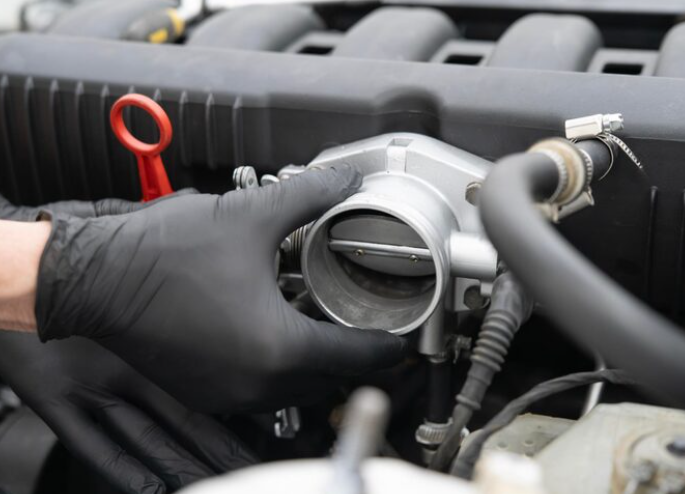
Mercedes PCV valve symptoms can appear slowly, but they should not be ignored. A failed PCV valve or membrane can affect crankcase pressure, idle quality, oil control, exhaust smoke, and engine response.
I always check the PCV system early when a Mercedes has oil leaks, whistling noise, rough idle, or higher oil use. The fault may look serious, but the cause can be a small diaphragm or membrane inside the valve cover or breather system.
What Does the PCV Valve Do?
The PCV valve controls pressure inside the crankcase. It allows blow-by gases and oil vapor to move from the engine back into the intake system in a controlled way.
When the valve works correctly, it helps reduce pressure buildup and keeps oil vapor movement under control. When it fails, the engine may pull in too much air, too much oil vapor, or fail to release pressure correctly.
1. Whistling or Hissing Noise From the Engine
A high-pitched whistle or hissing sound is one of the most common signs of PCV valve failure. This noise usually comes from a torn diaphragm, leaking membrane, or vacuum leak in the crankcase ventilation system.
The sound may be clear at idle or when the engine is warm. I would inspect the valve cover area, PCV housing, breather pipes, and connected vacuum lines before assuming the fault is internal engine damage.
Some Mercedes engines also use vacuum-operated parts near the intake and ventilation system.
If vacuum control is weak or unstable, related actuator parts should be inspected as well: https://klifex.com/membranes-pcv-egr-oil-separator/mercedes-vacuum-actuators
2. Rough Idle or Engine Shaking
A failed PCV valve can allow unmetered air into the intake system. This disturbs the air-fuel balance and may cause rough idle, shaking, hesitation, or unstable engine speed.
In some cases, the idle may rise and fall. The engine may also feel uneven after a cold start. I would check for stored fault codes, vacuum leaks, and air intake issues before replacing larger parts.
A rough idle does not always mean the spark plugs, injectors, or throttle body are the first problem. The PCV system should be part of the first inspection.
3. Oil Leaks Around the Valve Cover
Oil leaks are often blamed on gaskets, but crankcase pressure can be the real cause. If the PCV valve cannot regulate pressure, oil may be forced past seals and weak points.
This can leave oil residue around the valve cover, breather area, or oil separator housing. You may also smell burning oil after driving if the oil reaches hot engine parts.
On many Mercedes engines, the PCV membrane is located in or near the valve cover. If this membrane fails, valve cover-related repair parts may be needed: https://klifex.com/membranes-pcv-egr-oil-separator/mercedes-valve-cover-membranes
4. Blue or Grey Smoke From the Exhaust
Blue or grey exhaust smoke can point to oil entering the combustion process. A failed PCV valve may allow excess oil vapor to pass into the intake, where it burns with the air-fuel mixture.
This symptom is often confused with turbo seal wear or worn internal engine parts. I would not jump to those conclusions without first checking the PCV valve, oil separator, intake pipes, and breather lines.
If the intake pipes are oily, the PCV or oil separator system may be allowing too much oil vapor through.
5. Higher Oil Consumption
A Mercedes with a bad PCV valve may use more oil than usual. The engine may burn oil vapor through the intake, even if there is no large external leak.
You may notice that the oil level drops between services. The exhaust may smoke after idling, or the intake path may show oil residue.
Higher oil use should always be checked carefully. PCV failure is not the only possible cause, but it is one of the parts I inspect before assuming the engine has major wear.
6. Check Engine Light or PCV-Related Fault Codes
A failed PCV valve can trigger the check engine light. The stored code may relate to crankcase ventilation, fuel trim, air leaks, idle control, or mixture imbalance.
A scan tool can help narrow the fault, but it does not confirm the failed part by itself. I would pair scan data with a visual inspection, smoke test, and pressure check where needed.
If the code returns after basic repairs, the PCV membrane, valve cover assembly, breather pipes, and related seals should be checked again.
7. Poor Engine Response
A PCV fault can affect engine response because it changes airflow and pressure behavior. The car may feel hesitant, less smooth, or slow to respond at low speed.
This symptom can overlap with intake leaks, EGR problems, throttle issues, or boost control faults. That is why I prefer a full inspection instead of replacing parts based on one warning sign.
When PCV failure is the cause, fixing the ventilation fault can restore a smoother idle and cleaner engine response.
How to Confirm Mercedes PCV Valve Failure
I would begin with a simple inspection. Listen for whistling, check for oil leaks, inspect breather lines, and look for oil inside the intake path.
A proper check may include:
- Reading fault codes.
- Inspecting the valve cover membrane.
- Checking crankcase pressure.
- Looking for split breather hoses.
- Testing for vacuum leaks.
- Checking oil separator condition.
- Confirming the engine code and part shape.
Final Thoughts
Mercedes PCV valve symptoms can include whistling noise, rough idle, oil leaks, blue smoke, higher oil use, check engine light, and poor response. These symptoms can look serious, but the failed part may be a small membrane or diaphragm.
My advice is to inspect the PCV system before replacing costly parts. Check the symptoms, scan the vehicle, confirm the failed component, and match the repair part to the correct Mercedes engine.


